
Career situations
Mining and FIFO resume in Australia
Show the mining work, equipment, roster experience and current credentials you can substantiate.
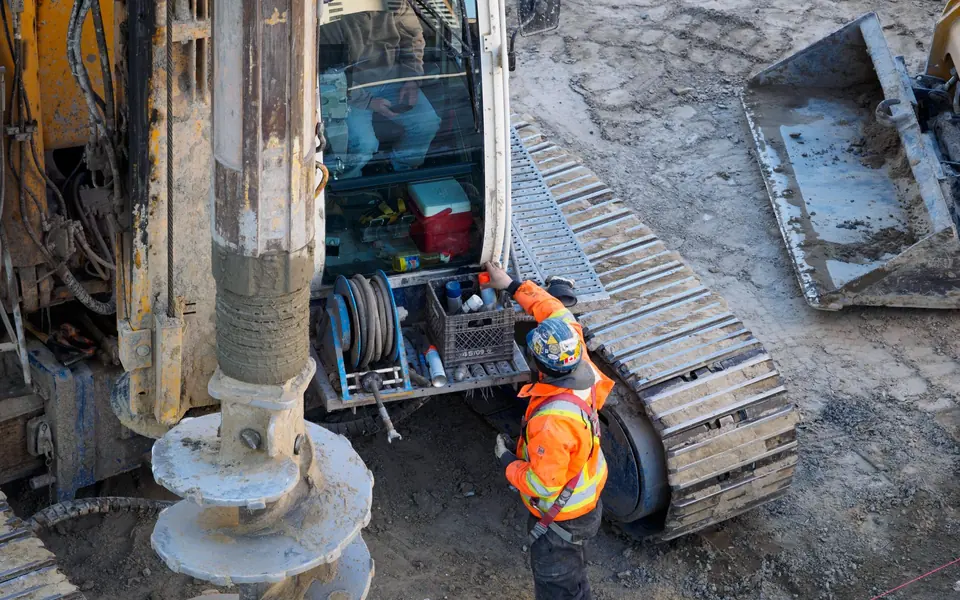
A mining or FIFO resume should show the work you can safely perform, the equipment and environments you know and the credentials requested for the actual site. Make roster history and availability clear without claiming that a ticket, medical or induction applies everywhere. Choose specific evidence of following procedures, reporting hazards and completing reliable handovers.
Begin with the site and the work
“Mining experience” covers very different activities. Identify whether the vacancy concerns operations, maintenance, projects, logistics or camp services. Then read the equipment, site access and roster wording. A resume for a maintenance role should not lead with unrelated production claims simply because both jobs involve a mine.
Write down the location and departure-point instructions exactly as advertised. If you have roster experience, name the arrangement you actually worked and the period. If you are new to FIFO, state your availability truthfully and use transferable evidence instead of implying you have already worked a remote roster.
Put credentials beside evidence
| Item | What to record | What not to assume |
|---|---|---|
| Trade or qualification | Exact qualification and completion status | A similar course is equivalent |
| Equipment experience | Equipment, task and your level of responsibility | Observing equipment means operating it |
| Tickets | Exact current credential and relevant details | One ticket covers every task or state |
| Inductions | Site or employer context and truthful status | An old induction transfers automatically |
| Roster history | Actual arrangement, dates and work context | Availability proves prior FIFO experience |
| Safety examples | Action, procedure and follow-up | A broad “perfect safety record” claim is self-proving |
The Australian resume guide covers the overall structure. Keep the credential list readable, and make it easy to find the employment example that supports each important skill.
Describe safety through actions
Safe Work Australia’s manual-task guidance explains risks associated with lifting, pushing and pulling. In a resume, describe the procedure or control you actually used and how you reported a problem. Do not claim a personal licence simply because you have read safety guidance.
Avoid a string of safety acronyms without an example. A useful bullet might explain how you checked an item, identified a fault, isolated it according to the site procedure and handed the issue to the authorised person. Keep your actual authority clear: reporting a fault is different from certifying equipment as safe.
Fictional worked example: a maintenance support role
Fictional example: Sam Example worked for Fictional Range Services on a hypothetical remote maintenance contract. The person, employer, roster and events below are invented.
The original bullet is: “Worked FIFO and maintained a great safety record.” A stronger version is: “Checked the tool register before each planned maintenance shift, separated an item with a damaged lead and recorded the fault for the supervisor before work began.”
Another could read: “Prepared the parts and outstanding-work handover for a seven-day shift change, identifying two deliveries that had not arrived so the incoming crew could revise the plan.”
These bullets show care, planning and communication. They do not claim an unverified injury rate or suggest that Sam performed electrical work without the relevant authority. Your version should name the actual task and result you can discuss.
Medicals and site-entry requirements are specific
Resources Safety and Health Queensland’s coal-worker guidance sets out health assessments for Queensland coal mine workers, including the stated low-risk-task exception. That is a specific scheme, not a universal medical rule for all Australian FIFO jobs.
Follow the recruitment pack’s instructions about site medicals and any testing. Do not put private medical findings on the resume or write that you are cleared for every site. Ask the employer how it wants current assessment status evidenced and which steps it arranges. Confirm any testing instructions directly with the recruitment contact.
Keep a credential record separate from the resume so you can check names and current status before applying. Do not renew or purchase an unrelated course merely because a different job advertisement mentions it; first clarify the actual vacancy’s requirement with the relevant employer or authority.
Show your experience level honestly
For an entry role, draw on logistics, maintenance assistance, cleaning, hospitality or other relevant work. Explain reliability and following procedures with concrete examples. Acknowledge what you have not yet done rather than using a broad “experienced operator” heading.
For an experienced application, lead with the most relevant environment and responsibilities. For a supervisor role, explain planning, allocation, escalation and handover decisions, including how you checked completion. Do not combine the whole crew’s output into a personal achievement without explaining your contribution.
Finish by checking the equipment names, dates, credential status and roster details against your records. Use the job-ad glossary to clarify unfamiliar wording before deciding which evidence belongs near the top.
Questions about mining and FIFO resumes
Should the roster go in my summary?
Include actual roster experience when it matters to the vacancy, or state availability accurately. Do not present willingness to work FIFO as previous roster experience.
Do all FIFO jobs use the same medical?
Do not assume that. Follow the employer’s instructions for the actual site and work. The Queensland coal-worker scheme cited here has a specific scope.
Can I list an expired ticket?
Do not describe it as current. Check whether it is relevant, make the status explicit if included and confirm what the employer requires before starting.
How do I describe safety without a number?
Explain a real action, the procedure or control involved and what happened next. A specific fault report or handover is stronger than an unsupported safety slogan.
Sources and review
Official pages checked 17 October 2026: Safe Work Australia manual tasks and RSHQ coal-worker health assessments.
OfferUnderway
Tailor your experience to the actual role
Bring your own career evidence and a real job ad. Review every claim, credential and date before submitting.
Build a tailored resume